
About Our Workshop & Maker.
Where you’ll learn
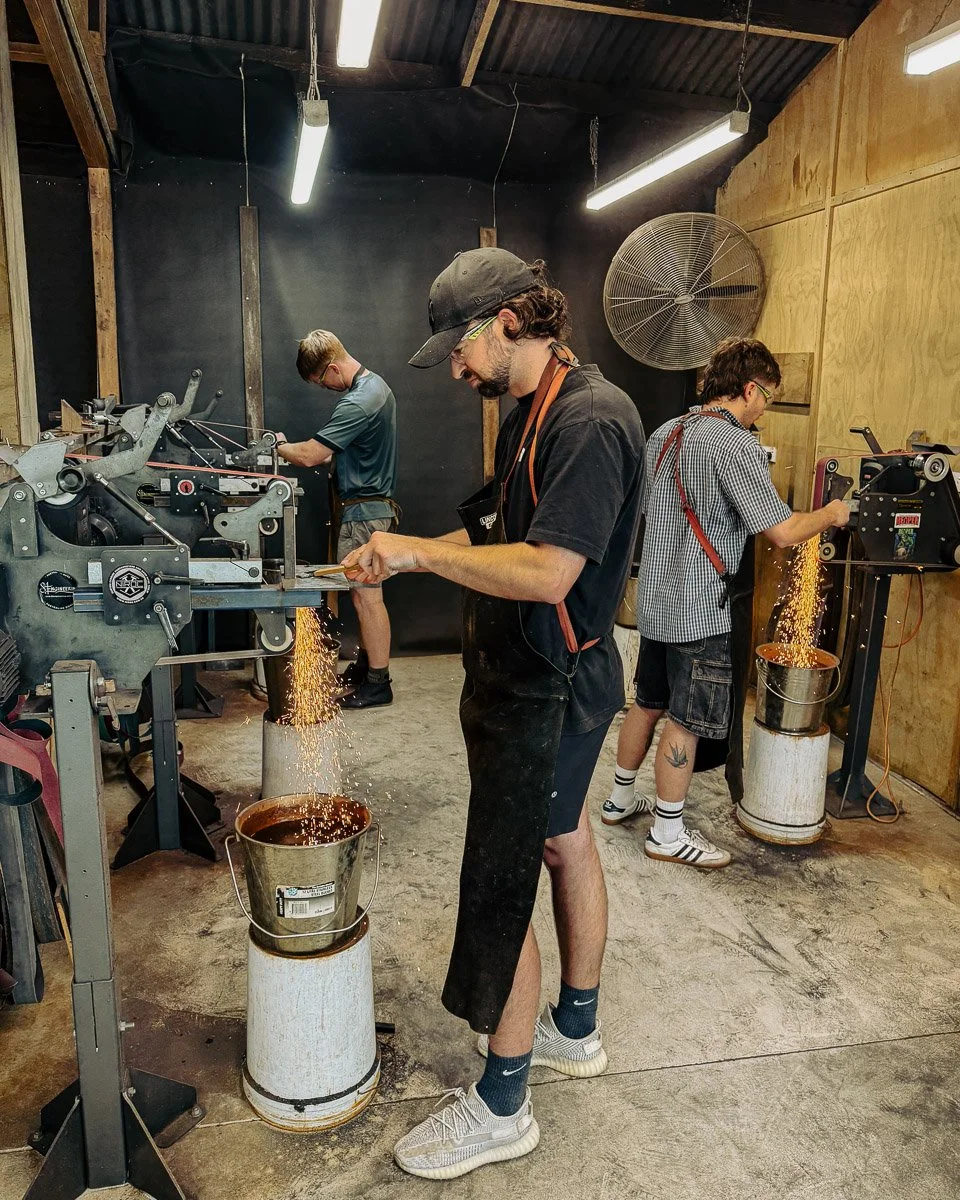
Tucked away in Ness Valley, Clevedon - south of Auckland on the edge of the Hunua Ranges and a world away from the city bustle. Our workshop is a quiet, practical space built for making. You’ll hear native birds (often tūī, sometimes our resident kākā), the low rumble of the forge, see timber stacked to season, and put your hands to tools that earn their keep. It’s the kind of place where time slows and work feels good.
In Bruce’s workshop you’ll use professional, top-of-the-line machinery and straightforward methods to put your creativity to work. You’ll learn by doing, with good tools and steady guidance. By day’s end you’ll leave with something real you made with your own hands.
Who you’ll learn from
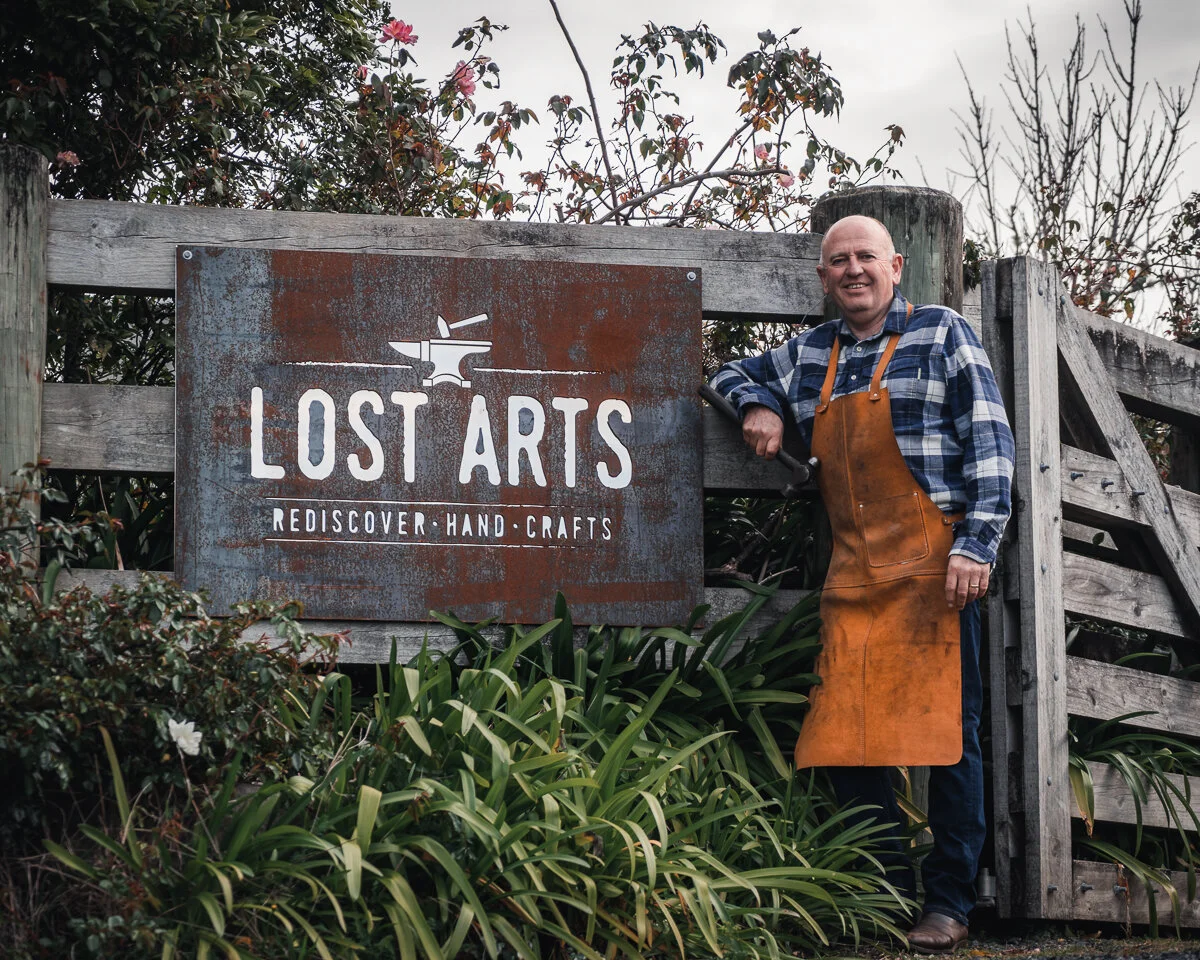
Bruce and Anne have called Clevedon home for more than three decades. Bruce made his first knife as a kid from a scrap of mower blade; today he works with knife making steel and locally reclaimed timbers, teaching the same straightforward methods he uses himself. Bruce is a patient, hands-on tutor. He’ll show you, then stand beside you while you do it.
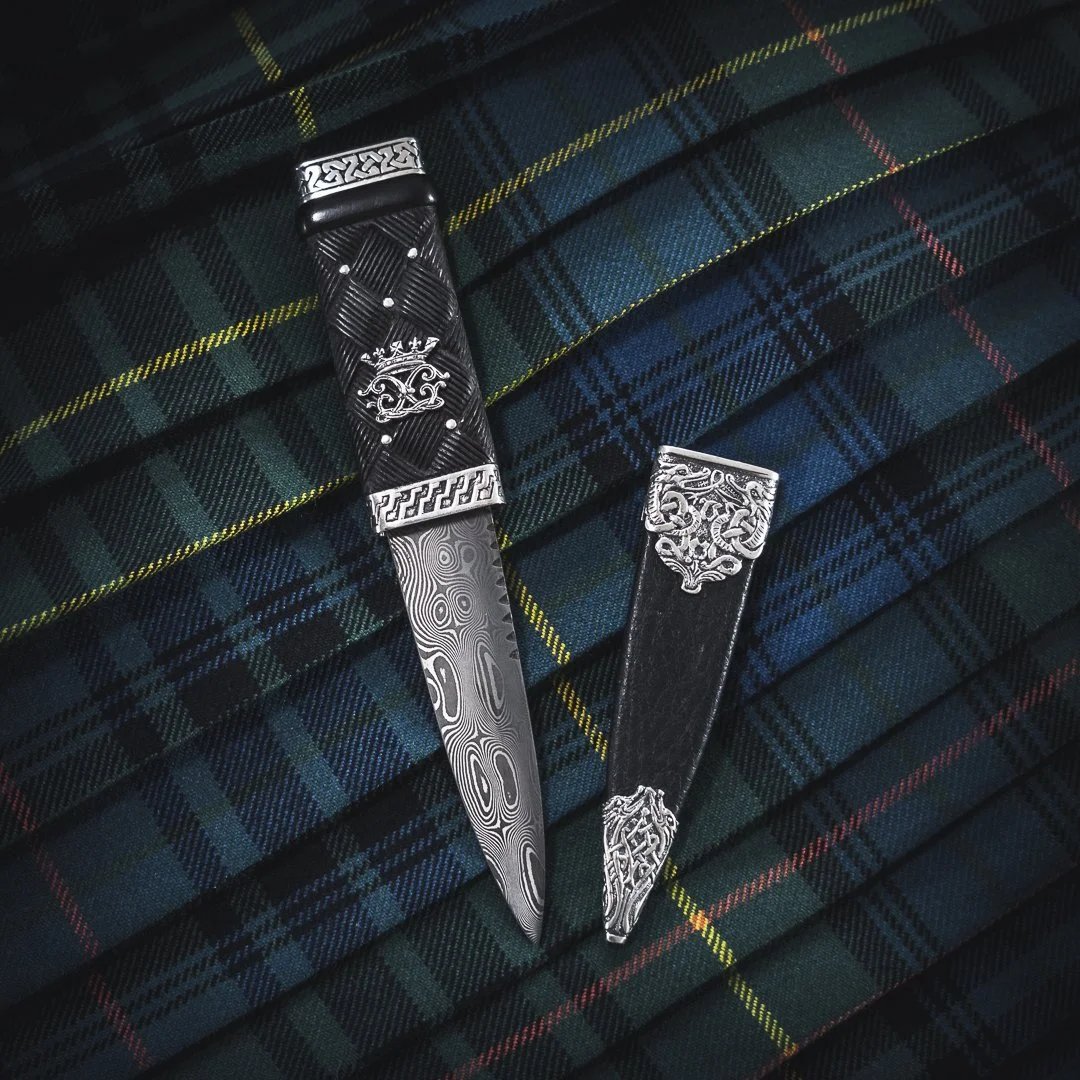
Detail is his happy place. Away from class he’s known for intricate pieces like the traditional Scottish sgian-dubh, with carved handles and custom silverwork, and he also makes jewellery. That eye for fine detail shows up in class in small but important ways: how a bevel is introduced, the principles behind knife sharpening, how a handle is shaped to sit comfortably in the hand.
Workshops are small by design (up to six people) so you get more time on the tools, a better quality result and 1-on-1 feedback that actually lands.
What we believe
We think making something with your own hands changes how you value what you use. The skills are simple, the materials honest, and the result is a tool you’ll reach for daily. Our courses are small, welcoming, and built around learning by doing. No experience needed - just curiosity, closed-toe shoes, and a willingness to try.
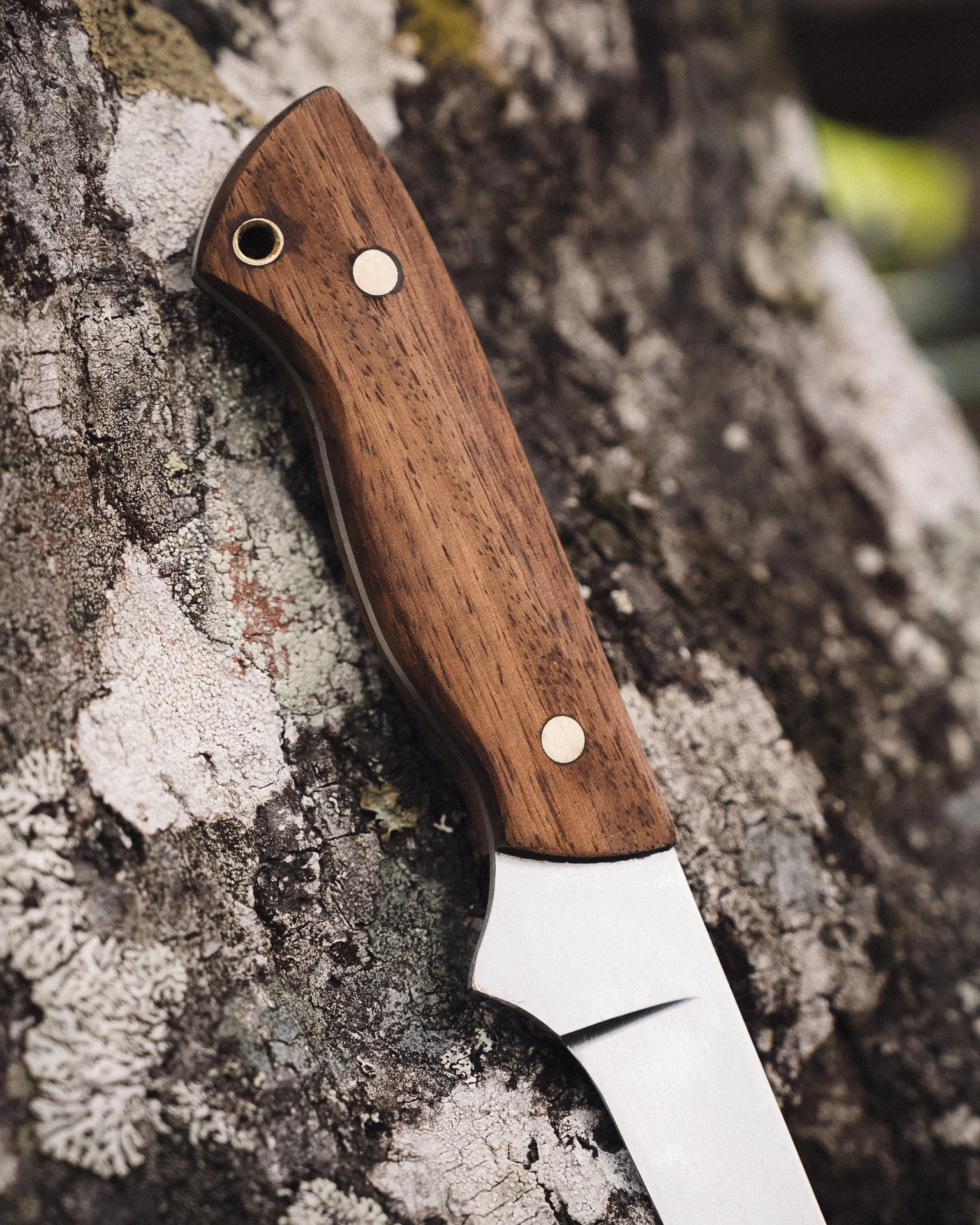
Materials with a past
We favour honest materials. For many classes we use high-quality carbon steel for a keen edge and easy maintenance. Handles often come from reclaimed local timbers such as rimu from old furniture, rescued floorboards, or decking offcuts that would otherwise go to waste. A lot of that timber arrives with our community: boat builders, furniture makers, and past students who bring us pieces “too good to throw away.” It means every handle carries a story before it even reaches your hand.
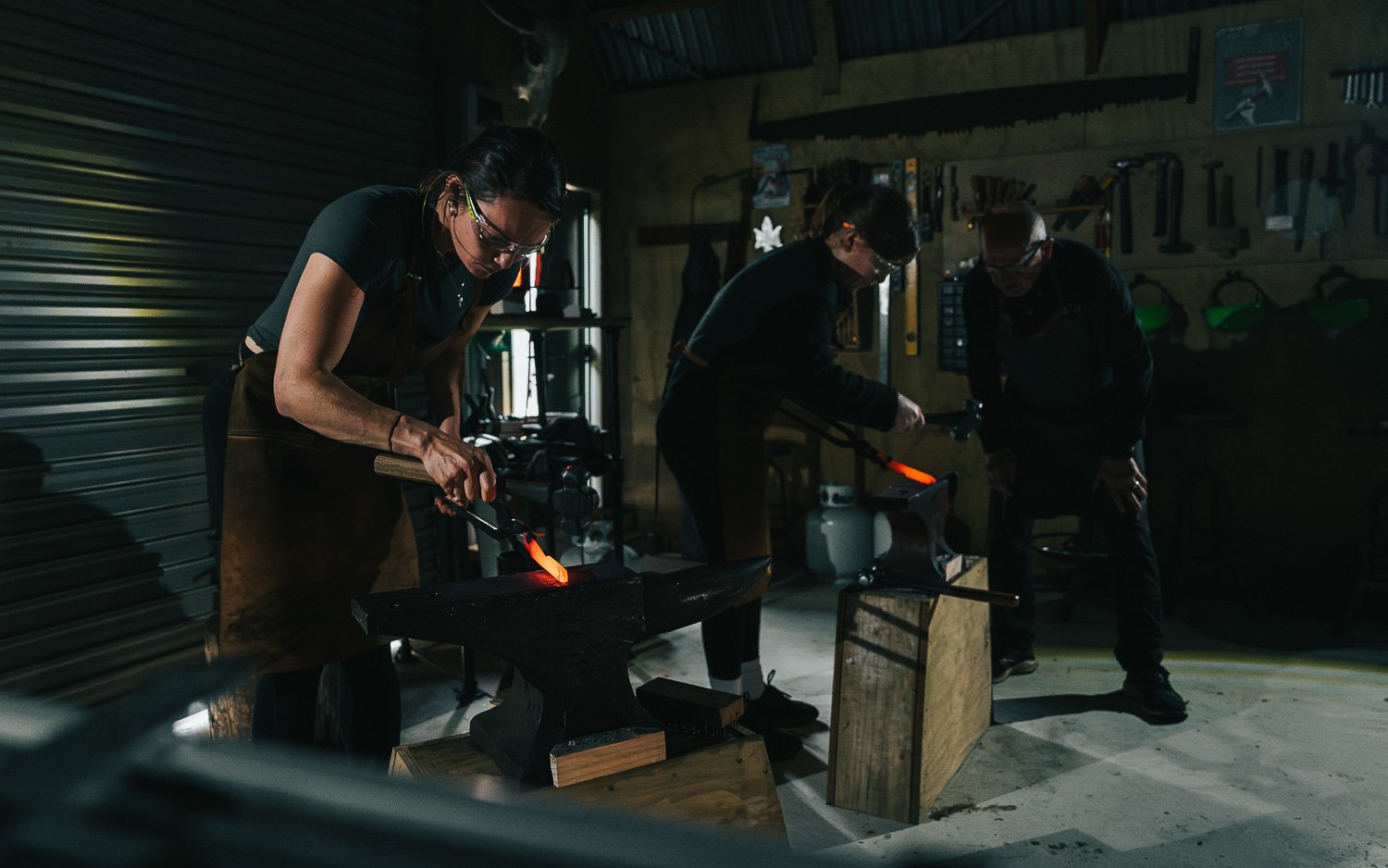
For teams, mates, and milestones
Lost Arts is a good day out, whether it’s a gift, a birthday, or a way to get your team or clients working side-by-side. Our team-building and corporate classes are hands-on, social, and memorable; people leave with a skill, a story, and a tool they’ll actually use.
Why this matters.
In a world that moves fast, it’s grounding to make a thing that lasts. A good knife is practical. Learning to make one is memorable. Many of our students come to mark an occasion: birthdays, anniversaries, team days, or simply to switch off and do something real for a day. The story you take home is yours.
